
Authenticity isn’t a finish you apply at the end. David Shanks on the decisions that decide whether a new development earns its place, or just occupies one.
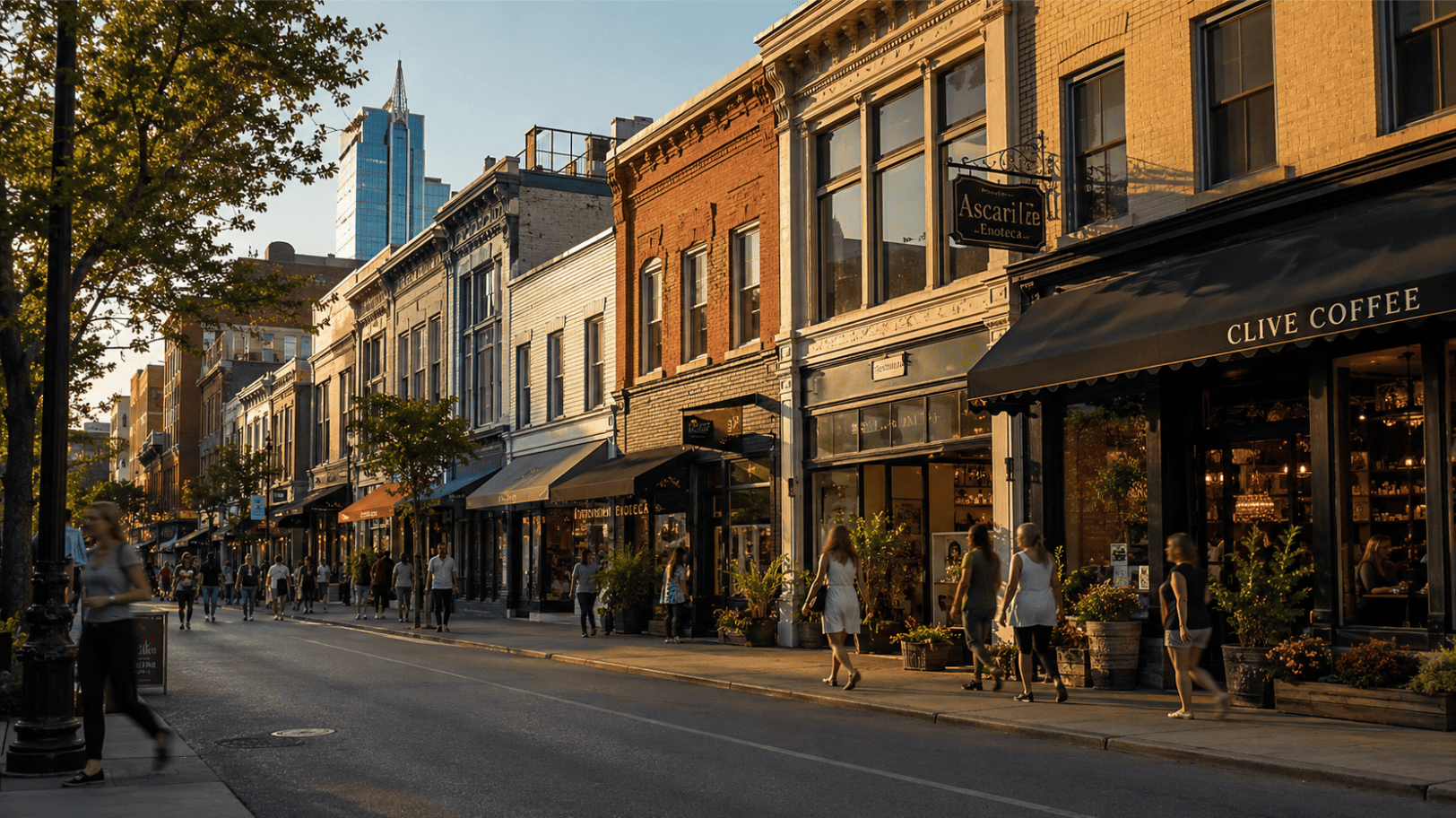
You can feel the difference between a neighborhood and a stage set within thirty seconds of arriving. Your senses register it before you can explain why, and that instinct is more reliable than most developers assume.
I have walked through plenty of places built to look like somewhere people belong. Few of them actually earn that feeling, because authentic placemaking is not a finish applied at the end of a project. It is a set of decisions made early, mostly invisible, and nearly impossible to fake once construction begins.
That is the difference between a place people choose and a place people merely pass through.
What Your Senses Are Actually Picking Up On
Start with something small: a door handle. Whether it’s solid brass worn smooth by decades of hands, or a plastic-wrapped stand-in bolted on last month, your hand knows within a second which one it’s holding.
That single detail stands in for hundreds of others happening at once, on the same block, at the same moment: scale, sightlines, shade, the rhythm of storefronts, whether the street level opens to human activity or closes itself off behind glass and setback. None of it registers individually. It accumulates into a single, immediate verdict your body reaches before your mind catches up.
Sturdy streets, sensible scale, sincere materials. These are the qualities that separate places built to be inhabited from places built only to be photographed, and they line up closely with the principles that separate durable places from disposable ones. Material authenticity isn’t about cost. It’s about whether a surface tells the truth about what it is.
Why Do Manufactured Places Feel Hollow?
Manufactured places feel hollow because they copy the easiest parts of a place to replicate—materials, massing, a familiar retail mix—while skipping the years of unscripted, everyday use that made the original feel real.
This pattern isn’t new. Think about shopping malls. Victor Gruen designed Southdale, the country’s first fully enclosed shopping mall, in 1956 as a genuine town center: retail wrapped around civic space, with housing, parks, and community life built in. Developers kept the retail shell and dropped everything else. And for the next seventy years, what spread across the country was the shell, not the town center Gruen actually intended.
The same borrowing happens today: a development takes the vocabulary of main street urbanism or the look of a historic district without the decades of organic growth that earned it.
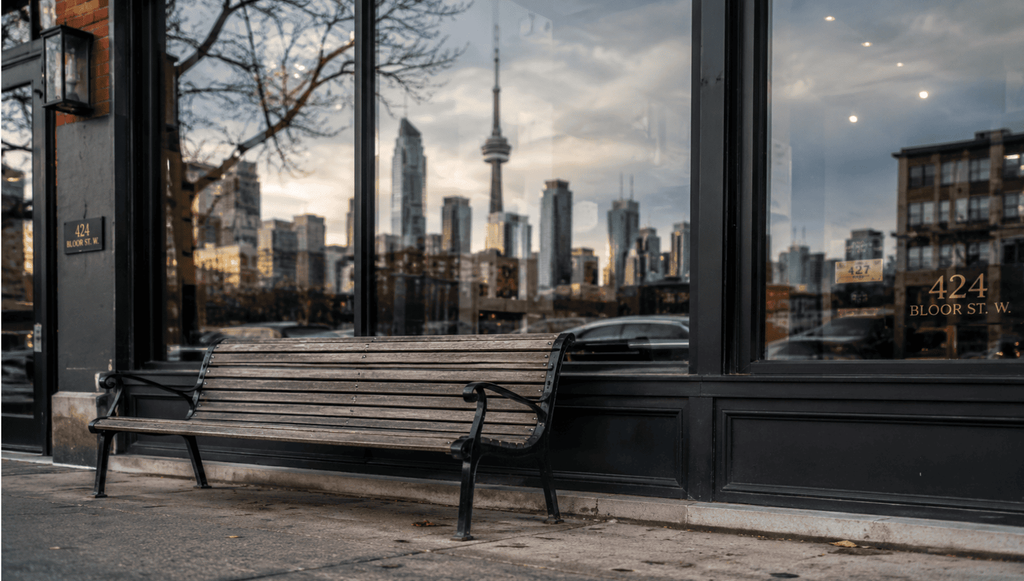
| A skyline is a promise the street level has to keep, and too often doesn’t. Cities can spend decades polishing their image while losing the daily work of giving people a reason to show up. |
Third places—the coffee shop, plaza, or corner bar people return to outside home and work—aren’t assigned by a leasing brochure. It’s earned the same way as somewhere a community belongs: through years of regular, unscripted use.
Materials and massing can be close to right and still fail, because time is the one thing no developer can manufacture.
How Shanks Architects Builds Authenticity from the Ground Up
At Shanks Architects, authentic architectural design is not a mood board. It’s a sequence of decisions we return to on every project, civic or otherwise.
Ask Before You Answer
A successful project depends on trust between the design team, the contractors, and the client, built before the first line goes down.
Oftentimes, clients arrive with a want and—buried underneath it—a need they have not fully named. Our first job isn’t to draw. It’s to ask questions and listen until the real problem surfaces, a discipline architect William Peña wrote about decades ago in a book called, appropriately, Problem Seeking. Skip that step and you get a building that satisfies the brief and misses the point.
Give People a Reason to Walk
Wider sidewalks do not make a place walkable on their own. Overhangs, shade trees, benches, and clear wayfinding help, but none of it matters without a reason to be outside in the first place: somewhere to eat, something to browse, a reason to linger past the errand that brought you there.
Research on pedestrian activity backs this up—active street frontage and ground-floor visibility predict foot traffic more reliably than decorative theming ever does. It is a City Studio priority on every project. Because a plaza with good bones and nothing happening in it is still just a plaza with good bones.
What This Means for Your Next Development
Theming and manufactured character are not always cynical choices. Sometimes they are the fastest way to hit a leasing deadline, and a recognizable formula reduces risk for a developer who cannot afford a slow lease-up. I understand the appeal.
The cost shows up later, usually as vacancy. A place with no real identity has no one defending it when the market turns, no community invested enough to fill in the gaps a downturn creates. Suburban town centers built purely from formula compete on rent alone, because rent is the only thing they actually offer. But a place people have adopted as their own competes on loyalty, which is harder to underprice.
Places lie, or they don’t. They tell the truth about who they were built for, or they don’t. The ones that last are the ones that told the truth from the start: honest materials, honest scale, an honest reason to be there.
That same thread runs through community, materials, and time: belonging is never manufactured after the fact. Whether your next development feels like a place or merely looks like one is decided earlier than most people think. Let’s talk before the first line is drawn.
Start a Conversation